Domain jbgc.de kaufen?
Wir ziehen mit dem Projekt
jbgc.de um.
Sind Sie am Kauf der Domain
jbgc.de interessiert?
domain@kv-gmbh.de · 0541-91531010
Domain jbgc.de kaufen?
Travelling or traveling?
Both "travelling" and "traveling" are correct spellings of the word, but they are used in different regions. "Travelling" is more commonly used in British English, while "traveling" is more commonly used in American English. **
Cake or fake?
It depends on the context. If you are asking about a choice between eating cake or something that is not real, then cake would be the preferred option. However, if you are asking about the authenticity of something, then fake would imply that it is not genuine or real. **


Ähnliche Suchbegriffe für Magazines-Or-Novels
Top-Angebote
Produkte zum Begriff Magazines-Or-Novels:
-
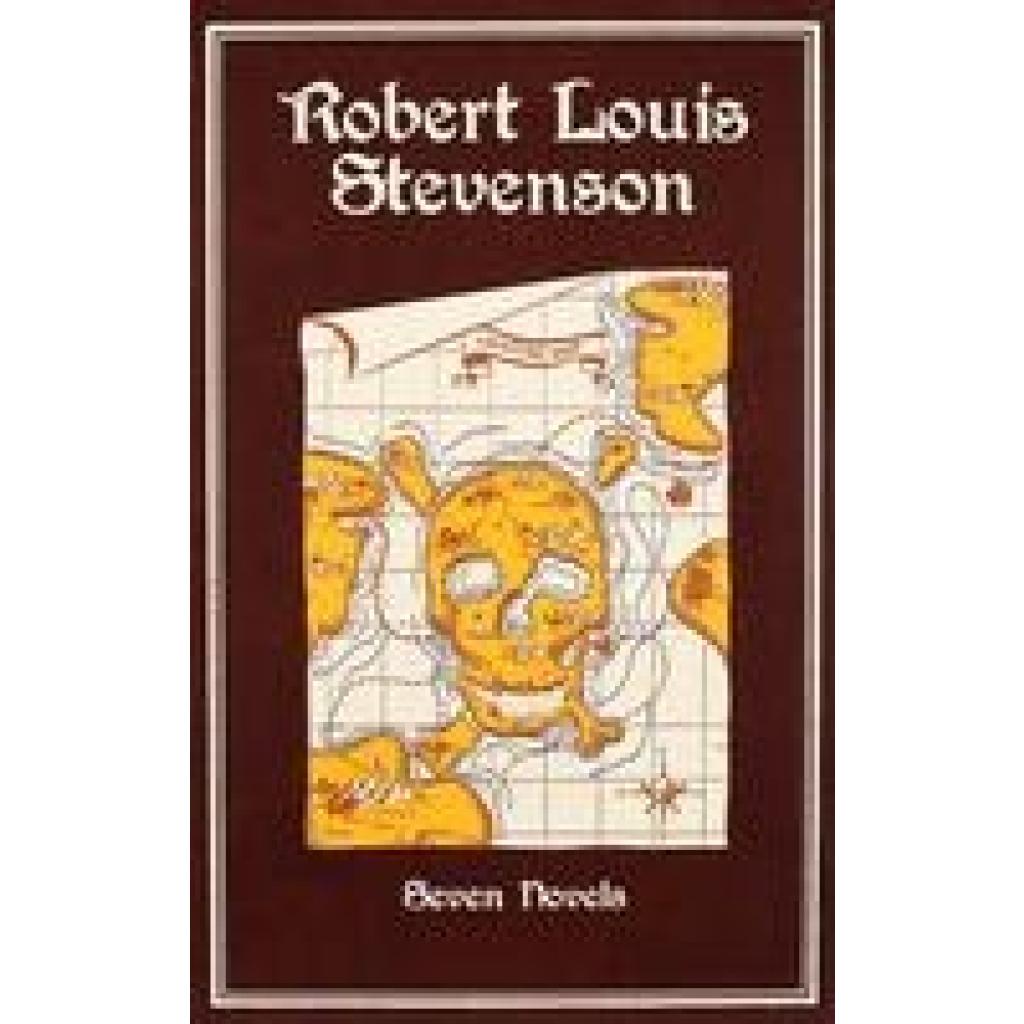
Stevenson, Robert Louis: Seven NovelsSeven Novels , No library's complete without the classics! This new, enhanced leather-bound edition collects the greatest works of Robert Louis Stevenson, whose stories of excitement and adventure will never be forgotten. He wrote stories of chance and peril, pirates and buried gold. He told tales of good and evil, of men struggling with the darkest parts of their souls. Acclaimed Scottish writer Robert Louis Stevenson was a master whose works offer compelling insight into our hearts and minds. Featuring the full texts of Treasure Island , Prince Otto , Strange Case of Dr. Jekyll and Mr. Hyde , Kidnapped , The Black Arrow , The Master of Ballantrae , and David Balfour , this Canterbury Classics edition collects Stevenson's greatest yarns in an elegant, leather-bound book. With gilded edges, a ribbon bookmark, and an introduction by a renowned Stevenson scholar, this new edition is the perfect gift or keepsake. Readers will want to keep Robert Louis Stevenson forever—and go on a never-ending adventure! , > , Erscheinungsjahr: 20111010, Produktform: Leder, Titel der Reihe: Leather-Bound Classics##, Autoren: Stevenson, Robert Louis, Themenüberschrift: FICTION / Classics~FICTION / Literary, Keyword: treasure island;prince otto;dr. jekyll and mr. hyde;kidnapped;black arrow;master of ballantrae;david balfour;adventure stories;seven novels;collection;pirate stories;1800s;19th century;novels;adventure novels, Fachschema: Englische Belletristik / Roman, Erzählung~Englische Bücher / Belletristik / Roman, Erzählung, Fachkategorie: Moderne und zeitgenössische Belletristik~Klassische Belletristik~Abenteuerromane, Imprint-Titels: Canterbury Classics, Warengruppe: HC/Belletristik/Romane/Erzählungen, Fachkategorie: Klassische Lyrik, Lyrik bis 1900, Text Sprache: eng, Seitenanzahl: XVII, Seitenanzahl: 912, UNSPSC: 49019900, Warenverzeichnis für die Außenhandelsstatistik: 49019900, Verlag: Simon + Schuster Inc., Verlag: Simon + Schuster Inc., Länge: 236, Breite: 159, Höhe: 53, Gewicht: 1299, Produktform: Leder, Genre: Importe, Genre: Importe, Katalog: LIB_ENBOOK, Katalog: Gesamtkatalog, Katalog: Internationale Lagertitel, Katalog: internationale Titel, Katalog: Kennzeichnung von Titeln mit einer Relevanz > 30, Katalog: Lagerartikel, Book on Demand, ausgew. Medienartikel, Relevanz: 0004, Tendenz: -1, Unterkatalog: AK, Unterkatalog: Bücher, Unterkatalog: Hardcover, Unterkatalog: Lagerartikel,21,26 €*Versand: 0,00 €Sichere Weiterleitung zum Anbieter


-
Do or does?
The choice between "do" and "does" depends on the subject of the sentence. "Do" is used with plural subjects and "does" is used with singular subjects. For example, "They do their homework" and "She does her homework." **
-
Anyway or anyways?
Both "anyway" and "anyways" are commonly used in spoken English to mean the same thing. However, "anyway" is more widely accepted and considered to be the standard form. "Anyways" is often considered to be more informal or colloquial. **
-
Go or goes?
The correct form would depend on the subject of the sentence. "Go" is used with the pronouns "I," "you," "we," and "they," while "goes" is used with the pronouns "he," "she," and "it." For example, "I go to the store" and "She goes to the store." **
-
Doesn't or don't?
The correct form to use depends on the subject of the sentence. "Doesn't" is used with singular subjects, while "don't" is used with plural subjects. For example, "He doesn't like coffee" (singular subject) and "They don't like coffee" (plural subject). **

Gucci or Prada?
That is a subjective question and it depends on personal preference. Both Gucci and Prada are luxury fashion brands known for their high-quality products and unique designs. It ultimately comes down to individual style and taste. **
Will or gonna?
"Will" and "gonna" are both used to express future actions, but there are slight differences in their usage. "Will" is more formal and is used in more formal situations, while "gonna" is a more informal and colloquial way of expressing future actions. **
Top-Angebote
Produkte zum Begriff Magazines-Or-Novels:
-
Stevenson, Robert Louis: Seven NovelsSeven Novels , No library's complete without the classics! This new, enhanced leather-bound edition collects the greatest works of Robert Louis Stevenson, whose stories of excitement and adventure will never be forgotten. He wrote stories of chance and peril, pirates and buried gold. He told tales of good and evil, of men struggling with the darkest parts of their souls. Acclaimed Scottish writer Robert Louis Stevenson was a master whose works offer compelling insight into our hearts and minds. Featuring the full texts of Treasure Island , Prince Otto , Strange Case of Dr. Jekyll and Mr. Hyde , Kidnapped , The Black Arrow , The Master of Ballantrae , and David Balfour , this Canterbury Classics edition collects Stevenson's greatest yarns in an elegant, leather-bound book. With gilded edges, a ribbon bookmark, and an introduction by a renowned Stevenson scholar, this new edition is the perfect gift or keepsake. Readers will want to keep Robert Louis Stevenson forever—and go on a never-ending adventure! , > , Erscheinungsjahr: 20111010, Produktform: Leder, Titel der Reihe: Leather-Bound Classics##, Autoren: Stevenson, Robert Louis, Themenüberschrift: FICTION / Classics~FICTION / Literary, Keyword: treasure island;prince otto;dr. jekyll and mr. hyde;kidnapped;black arrow;master of ballantrae;david balfour;adventure stories;seven novels;collection;pirate stories;1800s;19th century;novels;adventure novels, Fachschema: Englische Belletristik / Roman, Erzählung~Englische Bücher / Belletristik / Roman, Erzählung, Fachkategorie: Moderne und zeitgenössische Belletristik~Klassische Belletristik~Abenteuerromane, Imprint-Titels: Canterbury Classics, Warengruppe: HC/Belletristik/Romane/Erzählungen, Fachkategorie: Klassische Lyrik, Lyrik bis 1900, Text Sprache: eng, Seitenanzahl: XVII, Seitenanzahl: 912, UNSPSC: 49019900, Warenverzeichnis für die Außenhandelsstatistik: 49019900, Verlag: Simon + Schuster Inc., Verlag: Simon + Schuster Inc., Länge: 236, Breite: 159, Höhe: 53, Gewicht: 1299, Produktform: Leder, Genre: Importe, Genre: Importe, Katalog: LIB_ENBOOK, Katalog: Gesamtkatalog, Katalog: Internationale Lagertitel, Katalog: internationale Titel, Katalog: Kennzeichnung von Titeln mit einer Relevanz > 30, Katalog: Lagerartikel, Book on Demand, ausgew. Medienartikel, Relevanz: 0004, Tendenz: -1, Unterkatalog: AK, Unterkatalog: Bücher, Unterkatalog: Hardcover, Unterkatalog: Lagerartikel,21,26 €*Versand: 0,00 €Sichere Weiterleitung zum Anbieter
-
Travelling or traveling?
Both "travelling" and "traveling" are correct spellings of the word, but they are used in different regions. "Travelling" is more commonly used in British English, while "traveling" is more commonly used in American English. **
-
Cake or fake?
It depends on the context. If you are asking about a choice between eating cake or something that is not real, then cake would be the preferred option. However, if you are asking about the authenticity of something, then fake would imply that it is not genuine or real. **
-
Do or does?
The choice between "do" and "does" depends on the subject of the sentence. "Do" is used with plural subjects and "does" is used with singular subjects. For example, "They do their homework" and "She does her homework." **
-
Anyway or anyways?
Both "anyway" and "anyways" are commonly used in spoken English to mean the same thing. However, "anyway" is more widely accepted and considered to be the standard form. "Anyways" is often considered to be more informal or colloquial. **
Ähnliche Suchbegriffe für Magazines-Or-Novels
-
Go or goes?
The correct form would depend on the subject of the sentence. "Go" is used with the pronouns "I," "you," "we," and "they," while "goes" is used with the pronouns "he," "she," and "it." For example, "I go to the store" and "She goes to the store." **
-
Doesn't or don't?
The correct form to use depends on the subject of the sentence. "Doesn't" is used with singular subjects, while "don't" is used with plural subjects. For example, "He doesn't like coffee" (singular subject) and "They don't like coffee" (plural subject). **
-
Gucci or Prada?
That is a subjective question and it depends on personal preference. Both Gucci and Prada are luxury fashion brands known for their high-quality products and unique designs. It ultimately comes down to individual style and taste. **
-
Will or gonna?
"Will" and "gonna" are both used to express future actions, but there are slight differences in their usage. "Will" is more formal and is used in more formal situations, while "gonna" is a more informal and colloquial way of expressing future actions. **
* Alle Preise verstehen sich inklusive der gesetzlichen Mehrwertsteuer und ggf. zuzüglich Versandkosten. Die Angebotsinformationen basieren auf den Angaben des jeweiligen Shops und werden über automatisierte Prozesse aktualisiert. Eine Aktualisierung in Echtzeit findet nicht statt, so dass es im Einzelfall zu Abweichungen kommen kann. ** Hinweis: Teile dieses Inhalts wurden von KI erstellt.